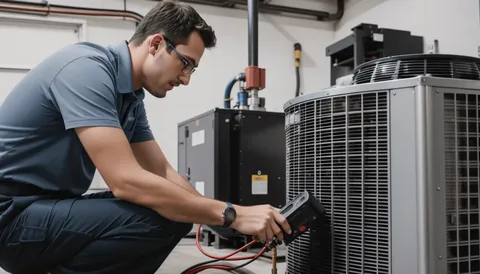
Signs Your HVAC System Needs Repair
Your HVAC system plays a critical role in maintaining comfort, air quality, and energy efficiency in your home. However, like any mechanical system, it experiences wear and tear over time. Ignoring early warning signs can lead to costly breakdowns, higher energy bills, and uncomfortable living conditions.
Recognizing when your HVAC System Needs Repair is essential for preventing major issues and ensuring long term performance. By identifying these signs early, homeowners can take proactive steps to maintain efficiency, extend system lifespan, and avoid emergency repairs.
Why Identifying HVAC Problems Early Matters
HVAC systems often show subtle signs before major failures occur. Many homeowners overlook these early warnings, which can result in expensive repairs or complete system replacement. Acting early helps maintain performance and prevents small issues from escalating into serious problems.
Understanding the importance of early detection allows you to maintain consistent indoor comfort, reduce energy waste, and avoid sudden system breakdowns. It also ensures that your home remains safe and healthy throughout the year.
Preventing Costly Repairs
Small HVAC issues, such as minor leaks or worn components, can quickly develop into major problems if ignored. Early intervention allows technicians to fix these issues before they cause extensive damage.
Following HVAC maintenance services guide practices helps reduce repair costs and keeps your system running efficiently.
Maintaining Energy Efficiency
A malfunctioning HVAC system often consumes more energy to perform basic functions. This leads to higher utility bills and reduced efficiency.
By addressing issues early, homeowners can implement energy efficient heating and cooling systems strategies that lower costs and improve performance.
Common Signs Your HVAC System Needs Repair
Recognizing the warning signs of HVAC problems is key to maintaining a comfortable and efficient home. These signs often indicate underlying issues that require professional attention.
Unusual Noises from the System
Strange sounds such as banging, rattling, squealing, or grinding are clear indicators of mechanical problems. These noises may result from loose components, worn out parts, or motor issues.
Ignoring these sounds can lead to further damage. Regular inspections and timely repairs, supported by air conditioning repair services, help maintain system health.
Weak or Inconsistent Airflow
If you notice reduced airflow or uneven temperature distribution, your HVAC system may be struggling to function properly.
This issue can be caused by clogged filters, duct blockages, or failing components. Addressing airflow problems ensures optimal performance and supports HVAC airflow optimization tips.
Unusual Odors
Foul or unusual smells coming from your HVAC system can indicate mold growth, burnt wiring, or accumulated debris.
These odors not only affect comfort but also pose health risks. Proper cleaning and repair, aligned with indoor air quality improvement solutions, are essential.
Frequent Cycling
If your HVAC system turns on and off frequently, it may be experiencing issues with its thermostat, sensors, or internal components.
Frequent cycling reduces efficiency and increases wear on the system, making timely repairs crucial for longevity.
Rising Energy Bills
A sudden increase in energy costs without a change in usage is often a sign of HVAC inefficiency.
Malfunctioning systems require more energy to maintain temperature, highlighting the need for HVAC efficiency improvement tips.
Advanced Warning Signs of HVAC System Issues
Beyond common symptoms, some signs indicate deeper problems that require immediate attention. These issues often affect both performance and safety.
Poor Indoor Air Quality
An HVAC system that fails to filter air properly can lead to increased dust, allergens, and pollutants in your home.
This can cause respiratory issues and discomfort, emphasizing the importance of air filtration system upgrades.
Moisture or Leaks Around the Unit
Visible moisture or leaks near your HVAC system can indicate refrigerant issues or drainage problems.
These issues can damage surrounding areas and reduce system efficiency, requiring prompt repair.
Thermostat Malfunctions
If your thermostat does not respond correctly or displays inaccurate readings, it may be affecting your HVAC system’s performance.
Upgrading or repairing your thermostat using smart thermostat installation benefits can improve control and efficiency.
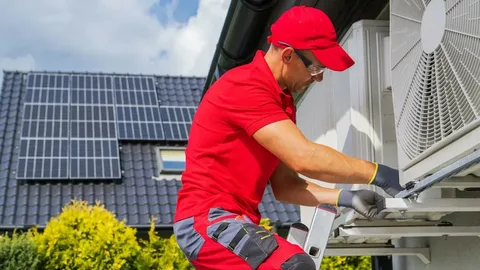 Seasonal Signs Your HVAC System Needs Repair
Different seasons place varying demands on HVAC systems, making seasonal maintenance essential.
Summer Warning Signs
During hot weather, your air conditioning system works harder to maintain cool temperatures.
Signs such as insufficient cooling, warm air, or increased humidity indicate the need for repairs. Regular checks using summer HVAC maintenance checklist strategies help prevent breakdowns.
Winter Warning Signs
In colder months, heating systems must operate efficiently to keep your home warm.
Issues like uneven heating, strange smells, or delayed startup can signal problems that require immediate attention. Following winter heating system maintenance tips ensures reliable performance.
Common Causes Behind HVAC Repairs
Understanding the root causes of HVAC issues helps homeowners take preventive measures and maintain system efficiency.
Dirty or Clogged Filters
Clogged filters restrict airflow and force the system to work harder.
Regular filter replacement is one of the simplest ways to prevent issues and improve performance.
Worn Out Components
Over time, components such as belts, motors, and fans wear out and require replacement.
Routine inspections help identify these issues early, ensuring smooth operation.
Lack of Regular Maintenance
Neglecting maintenance leads to the accumulation of dirt, debris, and wear, reducing system efficiency.
Following preventive HVAC maintenance strategies helps avoid costly repairs and extend system lifespan.
DIY Checks vs Professional HVAC Repairs
While some maintenance tasks can be performed by homeowners, others require professional expertise.
What Homeowners Can Do
Simple tasks like replacing filters, cleaning vents, and checking thermostat settings can improve performance.
These basic steps align with DIY HVAC maintenance tips and help maintain system efficiency.
When to Call a Professional
Complex issues such as refrigerant leaks, electrical problems, or major component failures require professional attention.
Working with experts like BrandAir ensures accurate diagnosis and high quality repairs, protecting your investment.
How to Prevent HVAC System Repairs
Preventive measures can significantly reduce the need for repairs and improve system performance.
Regular Maintenance Schedule
Establishing a maintenance routine ensures that your HVAC system remains in optimal condition.
Routine inspections, cleaning, and servicing help identify issues early and maintain efficiency.
Upgrading to Modern HVAC Systems
Older systems are more prone to breakdowns and inefficiency.
Upgrading to smart HVAC systems for modern homes provides better performance, energy savings, and reliability.
Long Term Benefits of Timely HVAC Repairs
Addressing HVAC issues promptly offers several long term benefits that improve comfort and reduce costs.
Improved System Lifespan
Timely repairs prevent excessive wear and extend the life of your HVAC system.
This reduces the need for premature replacement and ensures long term value.
Consistent Comfort and Performance
A well maintained system provides consistent temperature control and improved indoor comfort.
This enhances the overall living experience and supports healthy indoor environments.
Conclusion
Recognizing the signs that your HVAC System Needs Repair is essential for maintaining comfort, efficiency, and safety in your home. From unusual noises and poor airflow to rising energy bills and system inefficiencies, early detection can save you time and money.
By taking proactive steps and working with professionals like BrandAir, homeowners can ensure their HVAC systems operate at peak performance year round. Investing in regular maintenance and timely repairs not only extends system lifespan but also enhances overall comfort and energy efficiency.
Frequently Asked Questions
What are the most common signs my HVAC system needs repair?
Unusual noises, weak airflow, bad odors, frequent cycling, and rising energy bills are common signs.
How often should I check my HVAC system?
It is recommended to inspect your system monthly and schedule professional maintenance at least twice a year.
Can I repair my HVAC system myself?
Basic tasks like filter replacement can be done DIY, but major repairs require professional expertise.
Why is my HVAC system making strange noises?
This could be due to loose components, worn parts, or motor issues that need immediate attention.
Does regular maintenance reduce repair costs?
Yes, regular maintenance helps prevent major issues and reduces long term repair expenses.