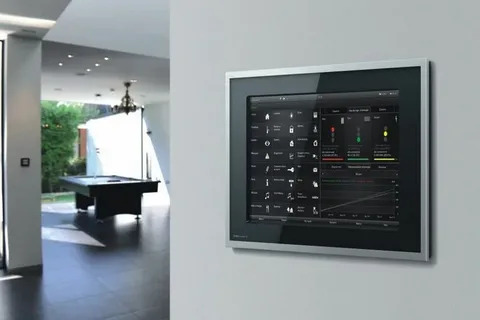
What Are Smart HVAC Systems and Why Are They the Future
Smart HVAC systems are revolutionizing the way homeowners and businesses manage indoor comfort. Unlike traditional heating and cooling systems, smart HVAC systems integrate advanced technology to optimize temperature, airflow, and energy usage automatically.
As energy efficiency and convenience become priorities in 2026, understanding what are smart HVAC systems and how they operate is essential for anyone looking to enhance home comfort, reduce energy bills, and adopt environmentally responsible solutions.
Understanding Smart HVAC Systems
Smart HVAC systems go beyond traditional heating and cooling by using intelligent technology to monitor, adjust, and optimize indoor environments. They combine hardware like thermostats, sensors, and control units with software to automate comfort management.
These systems offer real time adjustments, remote accessibility, and predictive maintenance alerts, showing how smart HVAC solutions are shaping the future of home and commercial comfort.
Core Components of a Smart HVAC System
Smart HVAC systems rely on several key components that work together seamlessly:
- Smart Thermostats: Automatically adjust temperature based on occupancy, time of day, or weather conditions.
- Sensors: Detect room temperature, humidity, and air quality to optimize comfort.
- Connectivity Modules: Allow remote monitoring via smartphones or smart home devices.
- Automation Software: Analyzes data to make adjustments and provide predictive maintenance alerts.
By understanding these components, homeowners can see why what are smart HVAC systems is more than just a buzzword it’s a step toward energy efficient and comfortable living.
How Smart HVAC Systems Differ from Traditional HVAC
Unlike conventional HVAC systems, smart systems:
- Adjust settings automatically without manual input.
- Integrate with other smart home devices like voice assistants.
- Monitor energy consumption in real time.
- Offer predictive maintenance to prevent costly repairs.
These features illustrate why smart HVAC systems are becoming the preferred choice for modern homes and businesses looking for efficiency and convenience.
Benefits of Installing Smart HVAC Systems
Smart HVAC systems provide numerous advantages, from energy savings to improved comfort and convenience. Their popularity is growing as homeowners prioritize efficiency and sustainability.
Investing in a smart HVAC system is not just a luxury it’s a practical solution that offers both short term comfort and long term cost savings.
Energy Efficiency and Cost Savings
Smart HVAC systems optimize energy usage by adjusting heating and cooling based on occupancy and weather conditions. Homeowners can save up to 20–30% on energy bills, depending on usage patterns.
By using energy efficient HVAC strategies, homeowners can reduce their environmental footprint while enjoying lower monthly expenses.
Enhanced Comfort and Personalization
Smart systems learn user preferences and create personalized climate settings for each room or zone. This ensures optimal comfort without constant manual adjustments.
Features like zoned heating and cooling allow users to customize temperatures for bedrooms, living rooms, or offices, illustrating how smart HVAC systems adapt to modern lifestyles.
Remote Access and Automation
Through smartphone apps or voice assistants, users can control their HVAC systems from anywhere. Automation features allow schedules to be set for different times of the day, adjusting temperatures when rooms are empty or occupied.
Remote access not only improves convenience but also ensures the system runs efficiently even when users are away, demonstrating a core advantage of what are smart HVAC systems.
Smart HVAC Systems and Indoor Air Quality
Indoor air quality (IAQ) has become a major concern for homeowners, especially with increased awareness of allergens, pollution, and airborne viruses. Smart HVAC systems can actively monitor and improve IAQ.
Advanced sensors and air purifiers integrated into smart systems ensure that air circulation, humidity, and filtration are optimized for healthier living.
Air Quality Monitoring and Filtration
Smart HVAC systems detect pollutants, allergens, and particulate matter, adjusting ventilation and filtration accordingly. This proactive monitoring ensures cleaner, safer air for families.
Companies offering indoor air quality solutions show how smart HVAC technology improves health and comfort simultaneously.
Humidity Control for Health and Comfort
Maintaining ideal humidity levels prevents mold growth, dry skin, and respiratory issues. Smart systems automatically regulate humidity, balancing comfort with wellness.
By integrating humidity and air quality management, smart HVAC systems redefine indoor environmental control.
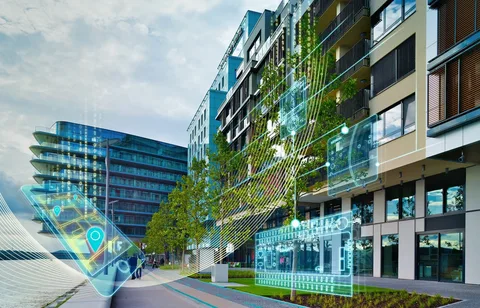 Technology Behind Smart HVAC Systems
Smart HVAC systems are powered by advanced technologies that allow for intelligent decision making and automated adjustments. Understanding these technologies highlights why they are the future of comfort.
From AI algorithms to IoT devices, technology ensures efficiency, convenience, and predictive performance.
Internet of Things (IoT) Integration
IoT devices enable HVAC systems to communicate with other smart home gadgets. For example, a smart thermostat may adjust temperatures based on motion sensors or weather updates.
By incorporating IoT enabled HVAC solutions, homes become responsive and energy efficient without manual input.
Artificial Intelligence and Predictive Analytics
AI algorithms analyze historical data and predict future HVAC needs, such as anticipating peak energy usage or potential equipment failures.
Predictive analytics allows preventive maintenance and optimized system performance, showing how what are smart HVAC systems are designed to adapt proactively.
Voice and Mobile App Control
Integration with voice assistants and mobile apps enables easy control, monitoring, and notifications. Users can adjust temperatures, schedule maintenance, or receive energy reports with a few taps or voice commands.
This convenience reinforces the growing adoption of smart HVAC technologies among modern homeowners.
Environmental Impact of Smart HVAC Systems
Energy efficient smart HVAC systems contribute to sustainability by reducing energy consumption and greenhouse gas emissions. As environmental consciousness grows, adopting these systems becomes both an eco friendly and economically sound decision.
Smart HVAC solutions are not just about comfort they also help users participate in green energy initiatives and sustainable living practices.
Reducing Energy Consumption
By automatically adjusting settings based on usage patterns, smart systems significantly reduce unnecessary energy expenditure. This lowers both utility bills and environmental impact.
Companies promoting energy efficient HVAC upgrades demonstrate that investing in smart technology is an environmentally responsible choice.
Supporting Renewable Energy Integration
Smart HVAC systems can integrate with solar panels and renewable energy sources, optimizing energy usage based on availability. This integration supports a more sustainable energy ecosystem.
The environmental benefits of smart HVAC systems highlight why they are increasingly favored in both residential and commercial settings.
Smart HVAC Systems for Commercial Spaces
Smart HVAC systems are not limited to homes they provide significant benefits for offices, retail spaces, and industrial facilities. They optimize comfort, reduce operational costs, and improve air quality for employees and customers.
Businesses that adopt smart commercial HVAC solutions see measurable improvements in productivity, customer satisfaction, and energy efficiency.
Energy Management in Offices
Automated controls adjust heating and cooling based on occupancy and time of day, reducing energy waste while maintaining comfort.
Companies using building automation systems see energy savings while ensuring a comfortable environment for employees.
Enhanced Air Quality for Workplaces
Smart systems monitor IAQ and adjust ventilation to maintain optimal conditions, creating a healthier workspace.
By implementing smart HVAC solutions for commercial properties, businesses ensure safety, comfort, and regulatory compliance.
Cost Considerations and ROI of Smart HVAC Systems
While smart HVAC systems may have higher upfront costs than traditional systems, the long term benefits and savings often outweigh the initial investment.
Understanding costs and potential returns is critical for homeowners and business owners considering what are smart HVAC systems.
Installation Costs and Incentives
The cost of installation varies depending on system type, home size, and existing infrastructure. Incentives and rebates from energy programs can offset expenses.
Highlighting energy efficient HVAC incentives demonstrates how smart systems can be more affordable than they appear.
Long Term Savings and Efficiency
Smart systems reduce energy consumption and prevent costly repairs through predictive maintenance. Over time, savings on utility bills and maintenance often justify the upfront investment.
By emphasizing long term ROI of smart HVAC systems, homeowners can make informed decisions about upgrading their systems.
Future Trends in Smart HVAC Technology
The future of HVAC is smart, connected, and environmentally conscious. Emerging trends show how these systems will continue to evolve in 2026 and beyond.
As technology advances, smart HVAC systems will provide even greater comfort, energy efficiency, and integration with other smart home devices.
Integration with Smart Home Ecosystems
Future systems will seamlessly communicate with lighting, security, and energy management systems to optimize home efficiency.
This integration demonstrates why what are smart HVAC systems is a topic of growing relevance and interest.
Advanced Predictive Maintenance
AI and machine learning will continue to enhance predictive capabilities, minimizing downtime and extending equipment life.
By anticipating system failures, smart HVAC solutions ensure uninterrupted comfort and reduced maintenance costs.
Sustainable and Eco Friendly Designs
New materials and energy efficient components will make future smart HVAC systems more environmentally friendly while maintaining high performance.
Adopting green smart HVAC technologies allows homeowners to reduce their carbon footprint while enjoying advanced comfort solutions.
Conclusion
Smart HVAC systems represent the next generation of home and commercial comfort. They combine automation, AI, IoT, and energy efficiency to provide a tailored, convenient, and eco friendly environment.
By understanding what are smart HVAC systems, homeowners and businesses can make informed choices about upgrading their current systems. Investing in smart HVAC technology ensures long term savings, enhanced comfort, and improved indoor air quality.
Companies like BrandAir showcase the benefits of adopting smart HVAC solutions for both residential and commercial spaces, emphasizing comfort, efficiency, and sustainability.
Smart HVAC systems are no longer just a luxury they are the future of climate control and the cornerstone of modern, energy conscious living.
Frequently Asked Questions
What Are Smart HVAC Systems?
Smart HVAC systems are heating, ventilation, and air conditioning systems that use intelligent technology to optimize comfort, energy efficiency, and air quality automatically.
How Do Smart HVAC Systems Save Energy?
They monitor occupancy, weather conditions, and user preferences to adjust temperature and airflow, reducing unnecessary energy consumption.
Can Smart HVAC Systems Improve Indoor Air Quality?
Yes, they use sensors and integrated filtration to monitor pollutants, allergens, and humidity levels, maintaining healthier indoor environments.
Are Smart HVAC Systems Suitable for Businesses?
Absolutely. Commercial smart HVAC solutions optimize energy use, enhance air quality, and improve comfort for employees and customers.
Is Installing a Smart HVAC System Expensive?
While initial costs may be higher than traditional systems, energy savings, predictive maintenance, and long term efficiency often justify the investment.